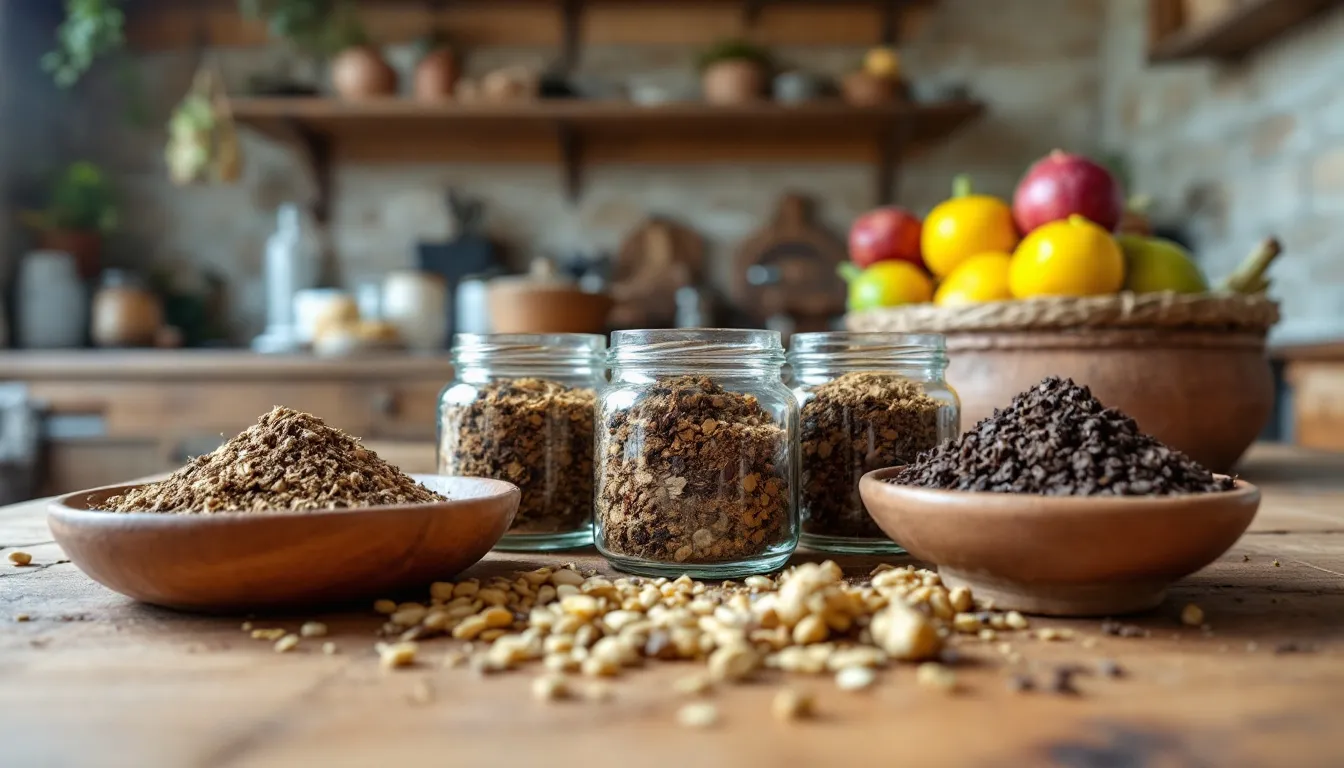
Cow dung has been a cornerstone of sustainable agriculture for centuries, serving as both a natural fertilizer and a powerful soil conditioner. In today’s world, where chemical fertilizers dominate the market, the wisdom of traditional formulations—especially those based on cow manure—is making a comeback due to their benefits for soil health, plant roots, and overall plant growth. Choosing the right fertilizer or soil treatment can make all the difference in achieving healthy, thriving plants.
Why Choose Natural Fertilizers Over Chemicals?
Chemical fertilizers offer quick growth boosts but often come at a cost—soil compaction, disrupted microbial activity, reduced soil structure, and long-term degradation of soil health. Many synthetic fertilizers are available in granular form, which allows for easy application and controlled nutrient release. In contrast, organic fertilizers like composted cow dung:
-
Release nutrients slowly, reducing the risk of over-fertilizing.
-
Improve soil structure and aeration.
-
Feed soil microbes, enhancing nutrient cycling.
-
Increase disease resistance by promoting healthy microbial communities.
-
Reduce weed seed germination compared to fresh animal manure.
|
Fertilizer Type |
Nutrient Release |
Impact on Soil Microbes |
Environmental Impact |
|---|---|---|---|
|
Cow Dung (Composted) |
Slow & steady |
Boosts activity |
Minimal |
|
Synthetic Fertilizers |
Fast burst |
Harms microbial balance |
High runoff risk |
|
Bone Meal |
Slow |
Enhances root development |
Low |
|
Fish Emulsion (Liquid) |
Quick |
Supports microbial growth |
Low |
Optimizing Indoor Plants with Natural Formulations
Indoor plants thrive when their root zone receives balanced nutrition without chemical overload. Natural formulations can supply all the nutrients required for thriving indoor plants. Liquid fertilizers like fish emulsion or diluted cow dung slurry work well because they:
-
Deliver essential nutrients quickly, including important micro nutrients for optimal plant health.
-
Support root development in potting mixes.
-
Maintain healthy soil in containers.
Tip: For container gardening and potting soils, mix composted cow dung with organic compost and worm castings for a nutrient-rich, well-draining blend.
Traditional Formulations for Supercharged Growth
Generations of farmers have relied on bioactive compounds from natural sources to boost plant health. These traditional mixes deliver essential nutrients to plants, supporting their overall vigor and productivity. Common traditional mixes include:
-
Composted Cow Manure – Rich in nitrogen, phosphorus, potassium, and trace elements for balanced growth. These formulations support faster growth and are effective in promoting healthy growth.
-
Bone Meal – Excellent for root growth and flowering plants. Also aids in promoting healthy growth and faster growth.
-
Blood Meal – High in nitrogen, ideal for leafy vegetables, and supports faster growth.
-
Fish Meal / Fish Amino Acids – Packed with amino acids that enhance microbial activity, promoting healthy growth.
-
Poultry Manure – Potent nutrient source for acidic soils and early spring application, helping plants achieve faster growth and robust development.
Case Study: In a Karnataka vegetable farm trial, plots treated with cow dung + bone meal saw a 22% increase in crop yields compared to those using only synthetic fertilizers, while maintaining soil microbial diversity. These traditional formulations help plants achieve optimal health and productivity by delivering essential nutrients and promoting healthy growth.
For best results, use basic gardening tools to apply or mix these traditional formulations, ensuring even distribution and effective nutrient delivery.
Creating a Garden Journal for Fertilizer Success
A garden journal is more than just notes—it’s a powerful tool for tracking:
-
Fertilizer schedules (e.g., when applying cow dung tea as a soil drench).
-
Observations on overall plant health.
-
Experiments with different potting mixes or slow release fertilizers.
-
Crop rotation and soil amendment history.
Example Journal Entry Format:
|
Date |
Fertilizer Used |
Method |
Observations |
Next Action |
|---|---|---|---|---|
|
12 March |
Cow Dung Tea |
Soil Drench |
Leaf color improved, new buds forming |
Reapply in 15 days |
|
27 March |
Bone Meal |
Root Zone |
Stronger stems |
Mulch with compost |
Effective Fertilizer Options for Healthy Growth
Choosing between organic and synthetic fertilizers depends on your goals:
-
Organic Options – Cow dung, worm castings, coffee grounds, compost, fish emulsion. These fertilizers support the overall health of your plants by improving soil structure, enhancing nutrient uptake, and boosting plant vitality.
-
Synthetic Options – Granular NPK blends, specially formulated Miracle-Gro products.
-
Hybrid Approach – Use organic matter for soil health and minimal synthetic boosts during seed starting or fast growth phases.
No matter your approach, these fertilizer options can address all your gardening needs, from soil improvement to plant nutrition.
Pro Tip: Avoid over fertilizing—it can harm roots and reduce microbial activity.
Cow Dung as a Soil Conditioner for Outdoor Plants
In garden beds, cow dung works as a soil conditioner, improving:
-
Soil structure for better aeration.
-
Moisture retention in dry climates.
-
Microbial activity in depleted soils.
For outdoor plants, apply composted cow dung in early spring to jump-start root growth before the active growing season.
Choosing the Best Approach for Your Garden

Selecting the best approach for your garden means taking a holistic look at your plants’ needs, your soil’s condition, and your local climate. Whether you’re nurturing lush indoor plants or cultivating vibrant flowers and vegetables outdoors, the right combination of fertilizers and gardening practices can make all the difference in promoting healthy plant growth and robust soil health.
Organic fertilizers—like composted manure, bone meal, fish emulsion, and worm castings—are excellent choices for delivering essential nutrients to your plants. These natural sources not only feed your plants but also support soil microbes, improve soil structure, and help maintain healthy soil over time. Because they release nutrients slowly, organic fertilizers reduce the risk of over fertilizing and help build strong roots and overall plant health.
For indoor plants, using potting soils rich in organic matter such as peat moss or coconut coir helps retain moisture and prevents soil compaction, ensuring that roots have the space and nutrients they need for healthy growth. Outdoor plants, especially those in garden beds or container gardening setups, often benefit from slow release fertilizers in granular form, which provide a steady supply of nutrients throughout the growing season and support strong root development.
While synthetic fertilizers like miracle gro can give a quick boost to plant growth, they may not offer the long-term benefits for soil quality and plant health that organic options provide. It’s important to use the right fertilizer for your specific plants and to avoid over fertilizing, which can damage roots and disrupt beneficial soil microbes.
Choosing the Best Approach for Your Garden
When it comes to creating a thriving garden, choosing the right fertilizer approach is key to unlocking healthy plant growth and vibrant flowers. Every garden is unique, so it’s important to consider the types of plants you’re growing, your soil quality, and your local climate before selecting the best plant food for your needs.
Organic fertilizers—like composted manure, bone meal, fish emulsion, and worm castings—are excellent choices for gardeners who want to promote healthy soil, strong roots, and overall plant health. These natural sources release nutrients slowly, feeding soil microbes and improving soil structure over time. For indoor plants, using potting soils rich in organic matter such as peat moss or coconut coir helps retain moisture and prevents soil compaction, ensuring healthy roots and steady plants growth.
Outdoor plants, especially those in garden beds or container gardening setups, often benefit from a combination of organic compost and slow release fertilizers. Granular forms of organic fertilizers can deliver essential nutrients gradually, supporting healthy growth throughout the growing season. If you’re looking for a quick boost—perhaps for seed starting or during periods of fast growth—synthetic fertilizers like Miracle-Gro can be used sparingly, but remember that over fertilizing can harm plant roots and disrupt soil microbes.
Final Thoughts: Harnessing Cow Dung Magic
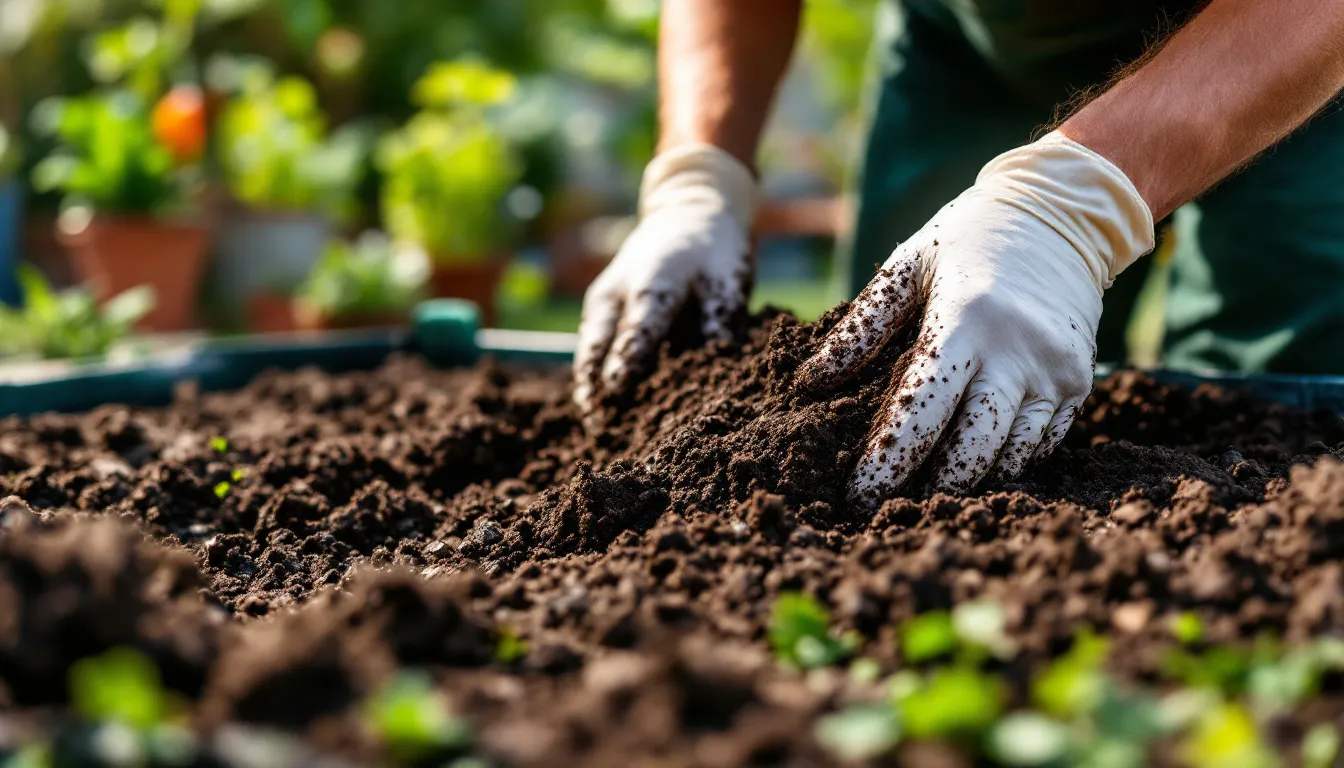
By combining cow dung with traditional formulations like bone meal and fish amino acids, gardeners can deliver essential nutrients naturally while protecting soil health. Microbial activity in these cow dung formulations plays a crucial role in balancing carbon dioxide and oxygen within the soil ecosystem, supporting healthy plant growth and ecological stability. Whether you’re growing vibrant flowers in containers or nutrient-rich crops in garden beds, embracing these time-tested methods ensures plants thrive without harming the environment.
Further Reading & Resources:
-
FAO: Organic Fertilizers and Soil Health
-
GoGreenInsights – Sustainable Gardening Tips