
Introduction to Eco Friendly Holidays
The holiday season is a time for celebration and joy, but it can also lead to increased energy consumption and waste generation – focusing on eco-friendly practices can help reduce environmental impact. Increased energy use and household waste are common during the holiday season, but this article will address ways to minimize both.
Simple changes in daily habits can make a significant difference in reducing energy waste, energy use, and energy costs during the holidays.
Embracing sustainable practices, such as using LED holiday lights and reducing food waste, can lead to a more environmentally friendly holiday season.
By adopting energy-efficient habits, individuals can contribute to a greener future and reduce their carbon footprint.
Making sustainable choices, such as using natural or recycled materials for decorations, can enhance the holiday experience while minimizing household waste.
Reducing Food Waste in Holiday Meals
Planning holiday meals carefully can help reduce food waste and conserve energy in the kitchen. Making the most of holiday leftovers by turning them into creative new dishes—like soups, casseroles, or sandwiches—can add variety to your meals and minimize waste. Managing leftovers thoughtfully after holiday meals helps reduce food waste and ensures that less food ends up being thrown away.
Composting food waste can help reduce the amount of waste sent to landfills and support sustainable practices.
Cooking meals in bulk and using slow cookers can help reduce energy consumption and save time.
Being mindful of food portions and avoiding overbuying can help reduce food waste and support a more sustainable holiday season.
Eco-Friendly Celebrations
The holiday season is a wonderful opportunity to bring friends and family together, but it can also lead to increased energy use, food waste, and household waste if we’re not mindful. By embracing eco-friendly celebrations, you can enjoy all the holiday cheer while reducing your environmental impact and saving money.
Start by making your holiday decorations more sustainable. Swap out traditional incandescent bulbs for LED holiday lights, which use less energy and last much longer, helping you cut down on both energy consumption and energy costs. For outdoor displays, solar powered lights are a great way to conserve energy and reduce energy waste, all while keeping your home festive. Get creative by making your own decorations from natural or recycled materials—think fabric scraps, old maps, or even repurposed gift wrap. These personal touches not only reduce waste but also add unique charm to your holiday decor.
Gift giving is another area where you can make a big difference. Instead of single-use wrapping paper, opt for reusable containers, recycled gift boxes, or eco-friendly gift wrap. Consider giving experiences, like concert tickets or cooking classes, which create lasting memories without adding to household waste. When choosing physical gifts, look for items made from recycled materials or those that are energy efficient, supporting a greener future with every present you give.
Holiday meals are a highlight of the season, but they can also be a major source of food waste and energy use. Plan your meals carefully to avoid overbuying fresh produce and to make the most of leftovers. Using slow cookers or energy-efficient kitchen appliances can help reduce cooking time and energy consumption. Remember to keep the oven door closed and use the oven light to check on dishes, which helps conserve heat and save energy. Composting food scraps and storing holiday leftovers in reusable containers are simple tips that further reduce waste.
Reducing plastic waste is another easy way to celebrate the season sustainably. Avoid single-use plastics like straws, bags, and utensils, and choose reusable alternatives whenever possible. If you’re decorating a Christmas tree, consider an artificial tree that can be reused year after year, or a living tree that can be replanted after the holidays.
Sustainable Gift Giving Practices
-
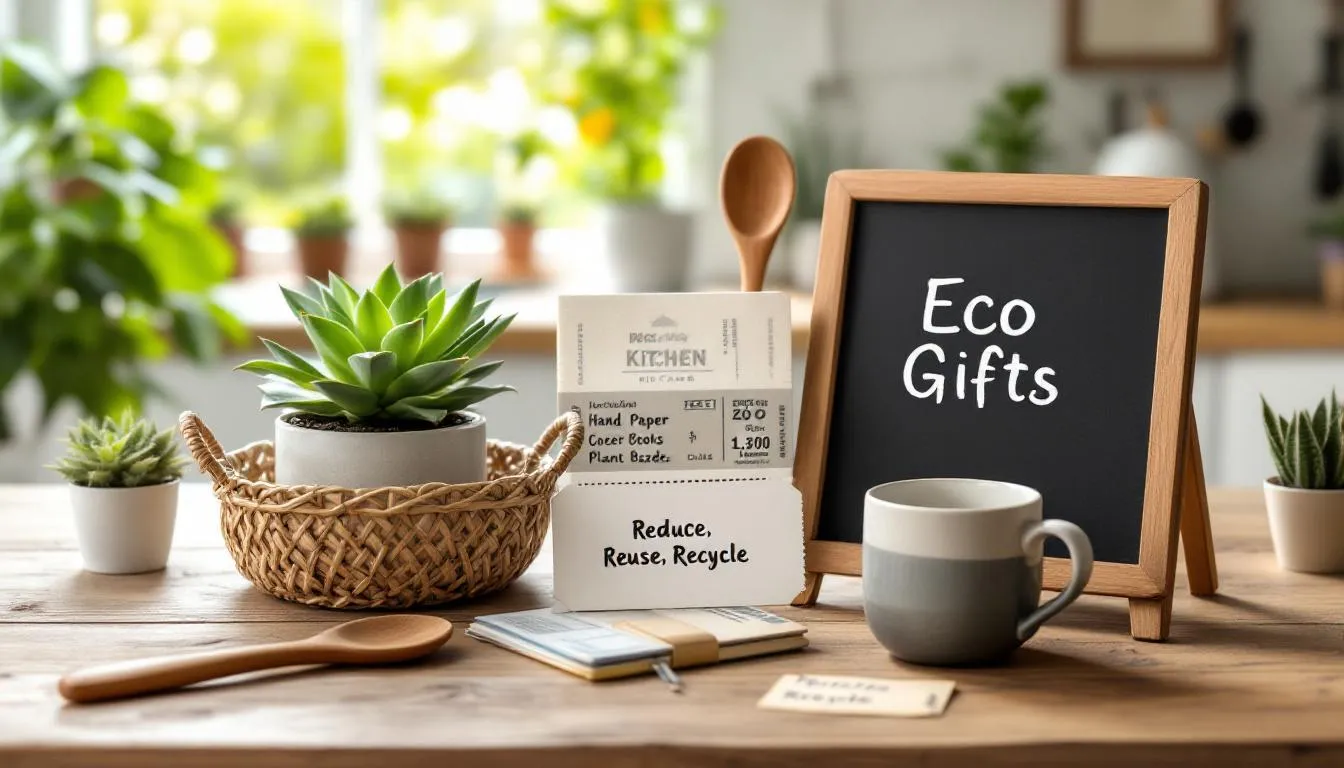
Choosing gifts made from natural or recycled materials can reduce waste and support eco-friendly practices.
-
Opting for experience-based gifts, such as concert tickets or cooking classes, can create lasting memories without generating waste.
-
Repurposing old gift boxes and wrapping paper can help reduce waste and support sustainable gift giving.
-
Making homemade gifts or donating to charity in someone’s name can be a thoughtful and eco-friendly alternative to traditional gift giving.
-
Considering the environmental impact of gifts, such as choosing energy-efficient products, can help support a more sustainable holiday season.
Energy Efficient Holiday Decorations
-
Using LED lights for holiday decorations is an energy-efficient option that uses less energy and can significantly reduce energy consumption and energy costs compared to traditional incandescent bulbs.
-
Decorating with natural elements, such as pinecones and evergreen branches, can add a festive touch without generating waste.
-
Creating own decorations, such as paper snowflakes or popsicle stick ornaments, can be a fun and eco-friendly activity.
-
Using LED lights and solar-powered lights can help create a home festive atmosphere while you save energy and money during the holiday season.
-
Using solar-powered lights or timers can help reduce energy waste and support energy-efficient practices. These practices help save energy and save money on utility bills.
-
Choosing decorations made from recycled materials, such as recycled glass or metal, can help reduce waste and support sustainable practices.
-
Upgrading kitchen appliances to more energy-efficient models and installing smart thermostats are additional ways to improve energy efficiency and reduce energy costs during the holiday season.
Conserve Energy in the Kitchen
-
Using energy-efficient kitchen appliances, such as slow cookers and microwave ovens, can help reduce energy use and save time.
-
Cooking meals in bulk and using leftover food can help reduce energy waste and support sustainable practices.
-
Keeping the oven door closed helps retain warm air and reduce energy use, while using the oven light can help you check on food without losing heat.
-
Using reusable containers and bags can help reduce plastic waste and support eco-friendly practices.
-
Planning meals carefully and avoiding last-minute takeout can help reduce energy consumption and support a more sustainable holiday season.
Reducing Waste from Holiday Activities
-
Reducing paper waste by sending e-cards or making own holiday cards can help minimize waste and support eco-friendly practices.
-
Avoiding single-use products, such as plastic utensils and plates, can help reduce waste and support sustainable practices.
-
Repurposing old maps, fabric scraps, and other materials can help create unique and eco-friendly decorations.
-
Donating to charity or volunteering time can be a meaningful and sustainable way to give back during the holiday season.
-
Choosing artificial trees or renting living trees can help reduce waste and support eco-friendly practices.
Sustainable Holiday Practices
-
Focusing on time spent with family and friends and creating meaningful experiences can help reduce stress and support a more sustainable holiday season.
-
Spreading holiday cheer can be achieved by embracing sustainable practices, such as eco-friendly decorations, personalized cards, and thoughtful, low-waste celebrations that bring joy to everyone.
-
Choosing fresh produce and locally sourced ingredients can help reduce waste and support eco-friendly practices.
-
Using eco-friendly cleaning products and reducing water waste can help minimize environmental impact and support sustainable practices.
-
Creating a sustainable holiday budget and prioritizing experiences over material gifts can help reduce waste and support a more sustainable holiday season.
-
Embracing simple tips, such as turning off lights and electronics when not in use, can help reduce energy consumption and support a more sustainable future.
Wishing you and your loved ones Happy Holidays—may your celebrations be filled with sustainability, joy, and lasting memories.