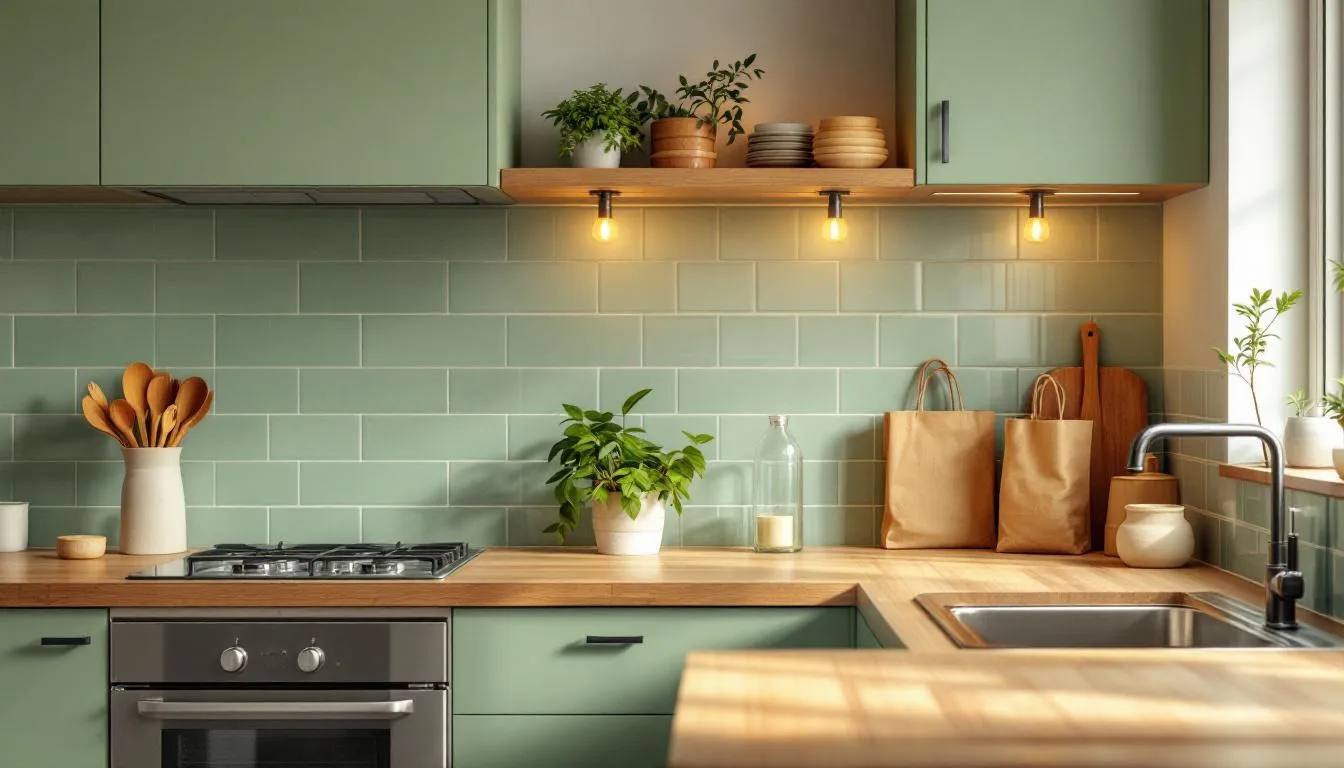
Introduction to Sustainable Kitchens
Start your journey to a sustainable kitchen by reducing food waste and plastic waste through simple swaps – replacing plastic wrap, a common kitchen staple, with beeswax wraps as a sustainable alternative to cling film, and using reusable produce bags can make a big difference.
Investing in eco-friendly alternatives like glass storage containers and stainless steel appliances can reduce packaging waste and save money.
Opt for chemical-free cleaning products and sponges to further minimize harsh chemicals in your kitchen.
A sustainable kitchen is not only better for the environment, but it can also help you save money and live a healthier lifestyle.
By making a few simple changes and adopting a zero waste mindset, you can reduce your carbon footprint and contribute to a healthier planet.
Begin by assessing your kitchen’s environmental impact and identifying areas where you can reduce waste and make more sustainable choices.
Assessing Your Kitchen’s Environmental Impact
-
Start by assessing your kitchen’s environmental footprint, including energy use, and identify ways to reduce it—switching to energy-efficient appliances can make a significant impact.
-
Reduce household waste by composting food scraps and using compost bins to create nutrient-rich soil for your garden. According to EPA reports, household waste is a major contributor to landfill volume, making composting an effective way to minimize your impact.
-
Replace single-use plastics like plastic bags and plastic straws with reusable alternatives like reusable shopping bags and stainless steel straws. When possible, choose compostable packaging to further reduce waste.
-
Consider the environmental impact of your cleaning products and switch to a natural alternative like baking soda and white vinegar.
-
Look for ways to reduce your use of harsh chemicals and non-stick pans that can leach chemicals into your food. Shopping at Whole Foods or similar stores that offer bulk refills can also help reduce packaging waste.
Sustainable Food Storage
-
Switch to glass jars and containers for storing pantry staples and leftovers—this can help reduce plastic waste and keep your food fresh. Store fruits and vegetables properly to reduce spoilage and waste, and use glass jars or reusable containers for your own herbs, loose leaf tea, and coffee grounds.
-
Use beeswax wraps made from organic cotton as a sustainable option to replace plastic wrap and cling film for covering bowls and wrapping sandwiches. Beeswax wraps are reusable, biodegradable, and an eco-friendly alternative to beeswax wraps plastic wrap. To maintain their effectiveness, wash beeswax wraps with cool water and mild dish soap.
-
Invest in reusable silicone bags for storing snacks and leftovers. These bags are dishwasher safe, can replace hundreds of single use plastic bags, and save money over time.
-
Choose eco-friendly alternatives to aluminum foil and plastic bags for wrapping food, such as compostable packaging, which is another sustainable option.
-
Consider using a vacuum sealer to reduce food waste and keep your food fresh.
Energy-Efficient Kitchen Appliances
-
Invest in energy-efficient appliances like refrigerators and dishwashers to reduce your energy use and lower your utility bills.
-
Look for appliances with the ENERGY STAR label to ensure they meet energy efficiency standards.
-
Consider switching to a gas stove or induction cooktop to reduce your energy use and cook more efficiently.
-
Use power strips to plug in your appliances and turn them off when not in use to eliminate standby power consumption.
-
Upgrade to a smart thermostat to optimize your heating and cooling usage.
Sustainable Cookware and Utensils

Choosing sustainable cookware and utensils is a fantastic way to reduce waste in your kitchen and support a healthier planet. Many traditional non stick pans can release harmful chemicals when overheated, which not only affects your indoor air quality but also contributes to environmental pollution. By switching to eco friendly alternatives like cast iron, stainless steel, or ceramic cookware, you can avoid these risks and enjoy long-lasting, durable kitchen tools.
Cast iron and stainless steel pans are especially popular sustainable options—they’re built to last for decades, reducing the need for frequent replacements and minimizing kitchen waste. These materials don’t release harmful chemicals into your food, making them a safer, healthier choice for everyday cooking. Plus, their durability means you’ll be reducing waste and saving money over time.
When it comes to utensils, look for eco friendly choices made from stainless steel, bamboo, or other sustainable materials. These alternatives are not only sturdy and reusable, but they also help cut down on single use plastics and other disposable items that contribute to household waste.
Making the switch to sustainable cookware and utensils is a simple swap that can make a big difference in reducing waste, protecting your health, and supporting a more eco friendly kitchen.
Reducing Waste and Composting
-
Start a compost pile or use a compost bin to turn food scraps, such as coffee grounds, into nutrient-rich compost for your garden.
-
Reduce food waste by planning your meals and making a grocery list to avoid buying too much food.
-
Use reusable bags and containers to reduce packaging waste. Replace single-use paper towels with reusable cloth towels to support a zero waste kitchen and reduce waste.
-
Avoid buying products with excess packaging and choose products with minimal or compostable packaging.
-
Consider using a worm composter to turn food scraps into fertilizer for your plants. Reducing waste and composting not only benefits the environment but also saves money over time.
Cleaning and Maintenance
-
Switch to natural cleaning products like baking soda and white vinegar, or other chemical-free and natural alternative options, to reduce harsh chemicals in your kitchen.
-
Choose eco-friendly dish soap, such as solid or plant-based options, to reduce the use of plastic bottles and support a zero-waste lifestyle.
-
Use microfiber cloths and reusable cleaning pads as a sustainable option to replace single-use paper towels.
-
Invest in a water filter to reduce plastic bottle waste and have clean drinking water.
-
Clean your kitchen regularly to reduce the need for harsh chemicals and maintain a healthy environment. To conserve water, wash produce in a bowl or turn off the tap when not in use.
-
Consider using a steam cleaner to sanitize your kitchen surfaces without using chemicals.
Conclusion and Next Steps
-
Making simple swaps in your kitchen can have a significant impact on reducing waste and living a more sustainable lifestyle.
-
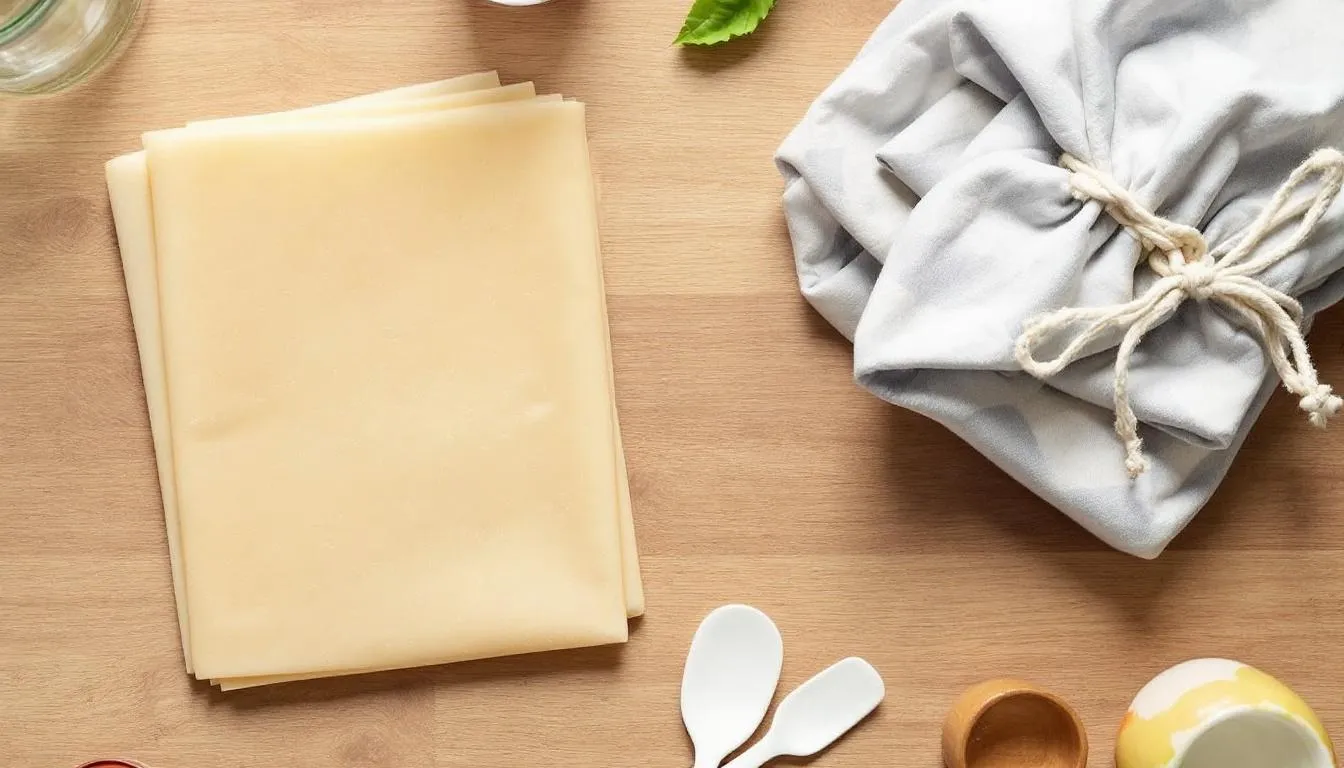
Start with small changes like replacing plastic wrap with beeswax wraps and using reusable produce bags.
-
Continue to assess your kitchen’s environmental impact and identify areas where you can make more sustainable choices.
-
Invest in eco-friendly alternatives and energy-efficient appliances to reduce your carbon footprint.
-
Share your sustainable kitchen journey with friends and family to inspire others to make a positive impact on the environment.