
Introduction to Sustainable Kitchens
Start your sustainable kitchen journey with eco-friendly practices and green cleaning essentials to reduce your carbon footprint and create a healthier environment. This article serves as a comprehensive guide to green cleaning and sustainable kitchen practices, offering tailored advice and practical tips for a holistic, eco-friendly approach.
Implementing meal prep tips and reducing food waste can make a significant difference in your daily life, positively affecting your environmental impact and contributing to a more sustainable future.
Explore environmentally friendly products and sustainable materials to create a kitchen that supports your well-being and the planet.
Discover the benefits of natural cleaners, such as baking soda and lemon juice, to replace harsh chemicals and minimize waste.
By establishing daily habits that prioritize sustainability in the kitchen, you can make eco-conscious choices part of your everyday routine.
Assessing and Optimizing Kitchen Habits
-
Evaluate your current kitchen habits to identify areas for improvement and reduce waste, including excess packaging and food waste. Check product labels for eco-friendly certifications and ingredients to ensure your choices support sustainability.
-
Assess your energy use and water consumption to find opportunities for reduction and implement eco-friendly practices.
-
Optimize your kitchen layout and storage to promote efficient meal prep and cooking, and reduce energy use. Choose the right materials for cabinetry and finishes, and incorporate smart storage solutions to maximize space and support energy-smart systems.
-
Consider investing in stainless steel appliances and reusable containers to reduce waste and support sustainable living.
Setting clear sustainability goals, such as reducing waste, improving energy efficiency, and selecting low-impact materials, will help guide your kitchen optimization process.
Eco-Friendly Kitchen Essentials
-
Invest in eco-friendly kitchen essentials, such as non-toxic cleaning supplies, natural products, and natural stone countertops, to create a healthier and more sustainable kitchen.
-
Choose green products and eco-friendly products with minimal packaging and made from recycled materials to reduce waste and support eco-friendly brands.
-
Incorporate plants and greenery into your kitchen design to improve air quality and enhance the aesthetic.
-
Consider using a green seal certified cleaning product, incorporating essential oils as part of your natural cleaning routine, and avoiding synthetic fragrances in cleaning supplies to ensure a healthier and more sustainable cleaning routine.
Meal Prep and Food Waste Reduction
-
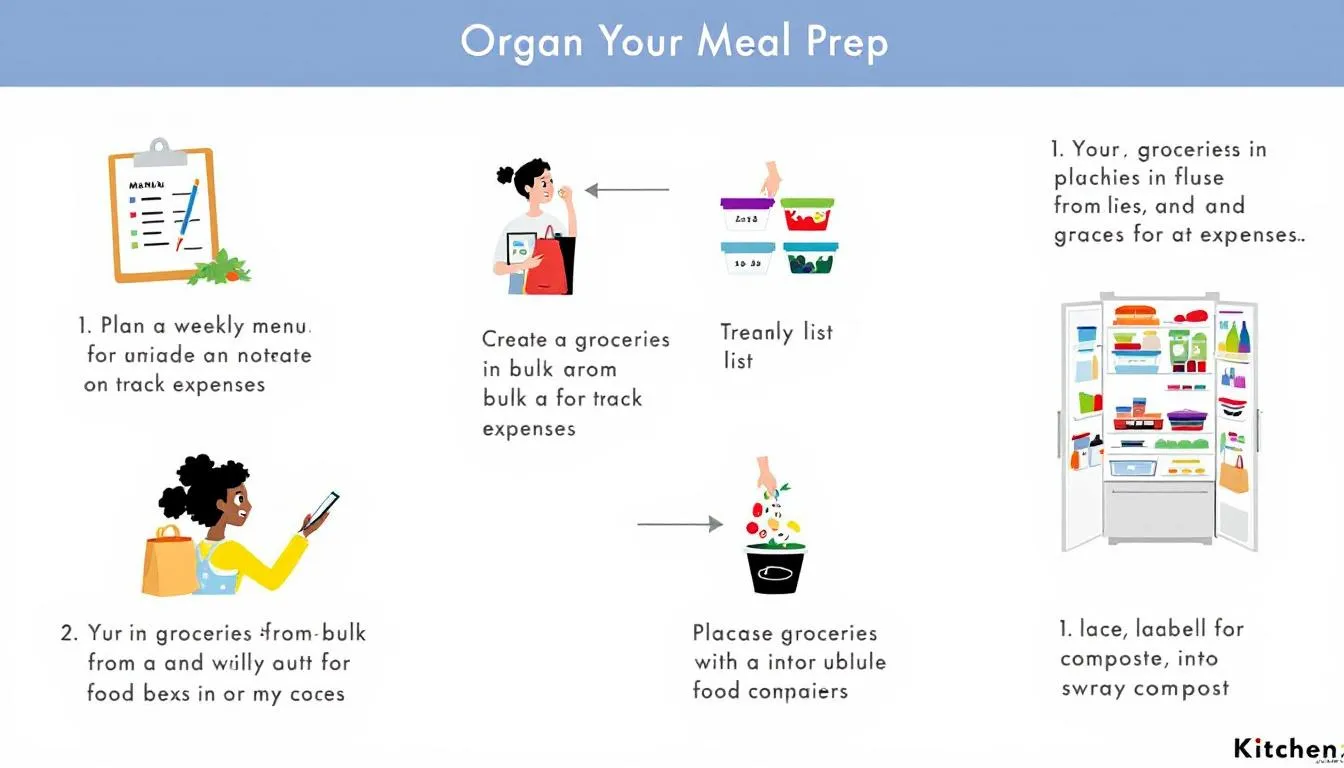
Implement meal prep tips, such as planning a weekly menu and creating a grocery list, as well as buying in bulk, to reduce food waste and save money.
-
Use reusable containers and bags to store leftovers and reduce waste, and consider composting organic waste.
-
Explore nutritious meal options like plant-based dishes and easy meals such as overnight oats. Incorporate portion control and strategies to prevent overeating as part of your meal prep routine to support your well-being and reduce food waste.
-
Start your meal prep journey by trying simple recipes and gradually expanding your skills. Meal prepping helps reduce food waste and stress, while also saving time and reducing greenhouse gas emissions.
Sustainable Food Storage and Handling
-
Learn about sustainable food storage and handling practices, such as using reusable containers and bags made from recyclable materials, to reduce waste and keep your food fresh.
-
Explore the benefits of buying in bulk and planning meals around seasonal produce from grocery stores to reduce waste and support local farmers.
-
Discover the importance of proper food storage and handling to reduce food waste and maintain nutritional benefits.
-
Consider investing in a vacuum sealer or other sustainable food storage solutions that use less energy to reduce waste and keep your food fresh.
Green Cleaning and Maintenance
-
Learn about green cleaning products and methods, such as using natural cleaners and microfiber cloths, to avoid harmful chemicals and minimize waste.
-
Discover the benefits of regular maintenance and cleaning to reduce waste and maintain a healthier environment.
-
Explore eco-friendly laundry detergents and make sustainable swaps in cleaning supplies to support sustainable living.
-
Consider implementing a recycling program and composting organic waste to reduce waste, as these practices significantly reduce waste and support a healthier planet.
Kitchen Renovation and Design
-
Plan a kitchen renovation or design with sustainability in mind, including eco-friendly materials and energy-efficient appliances that help save energy. Update or repurpose kitchen fixtures, such as sinks, faucets, and cabinet hardware, to give them new life and enhance both decor and functionality.
-
Consider investing in a tankless water heater and low-flow faucets to reduce energy and water use.
-
Explore the benefits of natural stone and recycled materials for countertops and flooring to reduce waste and support eco-friendly brands.
-
Discover the importance of proper ventilation and air quality in kitchen design to reduce harsh chemicals and maintain a healthier environment.
Energy Efficiency and Water Conservation
-
Learn about energy-efficient appliances and lighting options, such as LED bulbs, to reduce energy use and support sustainable living.
-
Discover the benefits of low-flow faucets and toilets to reduce water use and support water conservation. Modern dishwashers also use significantly less water compared to traditional hand washing, making them a more efficient choice for cleaning dishes.
-
Explore the importance of proper insulation and window placement to reduce energy use and maintain a healthier environment. These improvements can also enhance indoor air quality by minimizing drafts and reducing the infiltration of outdoor pollutants.
-
Consider investing in a smart thermostat to optimize energy use and reduce waste.
Waste Reduction and Recycling
-
Implement waste reduction and recycling practices, such as composting and recycling, to minimize waste, support a healthier planet, and adopt habits that significantly reduce waste.
-
Explore the benefits of buying in bulk and reducing packaging waste to minimize waste and support eco-friendly brands.
-
Discover the importance of proper waste disposal and recycling, including choosing the right materials for recycling, to reduce waste and maintain a healthier environment.
-
Consider investing in a recycling bin and composting program to reduce waste and support sustainable living.
Setting clear sustainability goals, such as targeting waste reduction, is essential for effective long-term environmental impact.
Community Engagement and Local Sourcing
-
Engage with your local community to share meal prep tips, discover new eco friendly practices, and collaborate on reducing food waste in your neighborhood.
-
Support local farmers and markets by sourcing fresh, seasonal foods, which helps minimize food waste and reduces greenhouse gas emissions from long-distance transportation.
-
Choose eco friendly brands and products that prioritize ethical practices and sustainable sourcing, contributing to a more resilient local economy and a sustainable kitchen.
-
Participate in community initiatives, such as food-sharing programs or local food co-ops, to help reduce waste and promote nutritious meals for the whole family.
-
Incorporate locally sourced ingredients into your meal prep routine to enjoy fresher foods, support eco friendly practices, and make a positive impact in your daily life.
Conclusion and Next Steps

-
Summarize the key takeaways from the sustainable kitchen reset and implement eco-friendly practices in your daily life.
-
Discover the benefits of sustainable living and reducing waste, including saving money and supporting a healthier planet.
-
Explore additional resources and guides to support your sustainable kitchen journey and reduce waste.
-
Consider sharing your sustainable kitchen journey with friends and family to inspire others to make a positive impact on the environment.