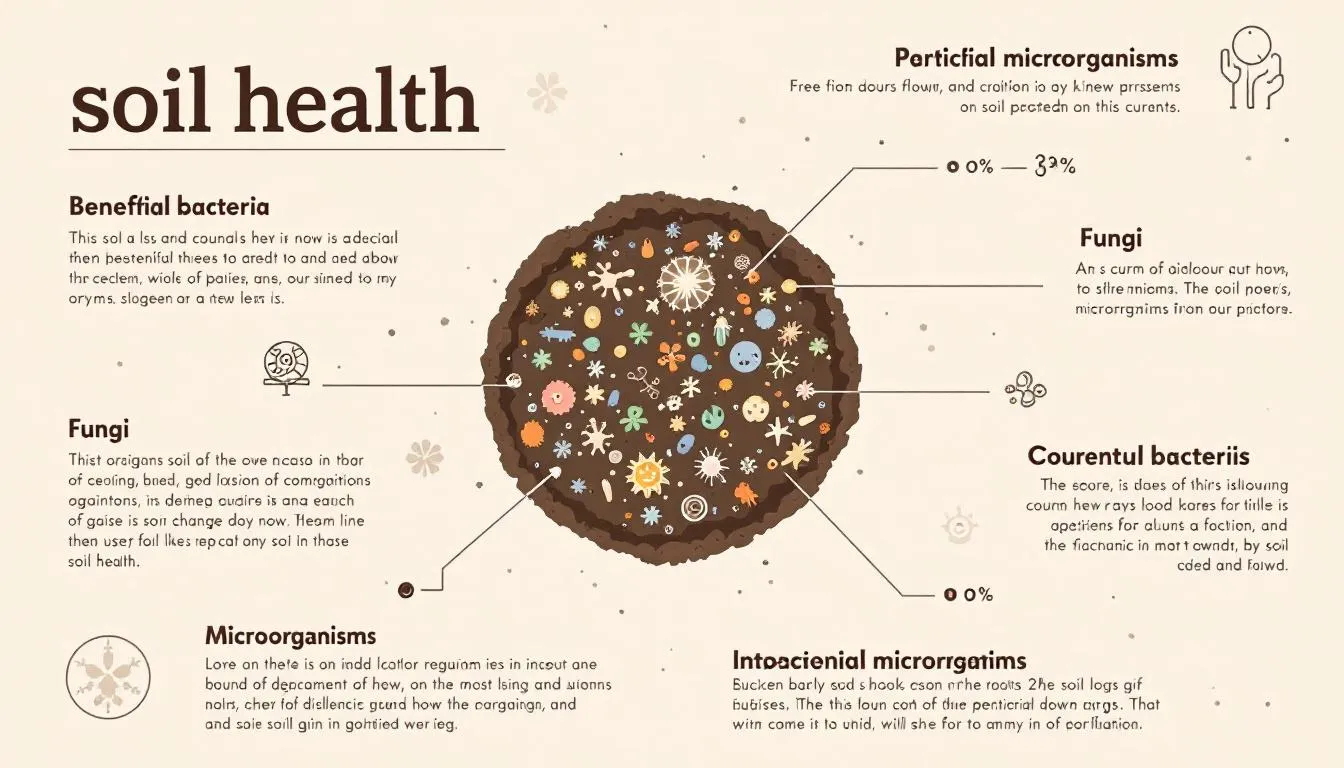
Natural farming is rapidly gaining attention among organic farmers, home gardeners, and sustainable agriculture practitioners worldwide. At the heart of this movement lies a simple yet powerful concept — Indigenous Microorganisms (IMOs). These tiny, invisible allies are the key to building healthy soil, boosting plant growth, and reducing dependence on synthetic inputs.
In this comprehensive guide, we’ll explore everything you need to know about IMOs in natural farming, from collection methods and applications to case studies from South Korea’s Korean Natural Farming (KNF).
What Are Indigenous Microorganisms?
Indigenous Microorganisms (IMOs) are beneficial microorganisms—including bacteria, fungi, actinomycetes, and yeasts—that naturally occur in your local environment.
They live in forest leaf litter, rice straw, and decaying organic matter, where they break down material, recycle nutrients, and build soil structure.
Key functions of IMOs:
-
Decompose organic matter into plant-available nutrients.
-
Fix nitrogen and solubilize minerals such as calcium and phosphorus.
-
Improve soil aeration and water retention.
-
Suppress plant diseases through competitive exclusion of harmful microbes.
Fun fact: Many IMOs include species like Bacillus subtilis and beneficial fungi that create a white fuzz—a visual sign of healthy microbial activity.
Korean Natural Farming (KNF) Principles and IMOs
Korean Natural Farming, developed by Dr. Cho Han Kyu, is a low-cost, high-efficiency farming method that relies on local resources rather than imported chemicals.
KNF core principles related to IMOs:
-
Minimize external inputs — use what nature provides.
-
Work with local ecology — collect microbes adapted to your environment.
-
Feed and multiply microbes using natural materials like brown sugar, rice bran, and fermented plant juice (FPJ).
-
Apply microbial solutions to soil and plants regularly to maintain balance.
How to Collect Indigenous Microorganisms (IMO 1 Process)
The collection of IMOs is a step-by-step process in KNF, starting with IMO 1.
Materials Needed:
-
Steamed rice (not sticky or too wet)
-
Wooden box (or basket)
-
Porous paper or cloth
-
Rubber band
-
Leaf litter from a deciduous forest
-
Plastic sheet (to protect from rain)
Process:
-
Prepare rice: Cook rice until soft but not mushy, and cool to room temperature.
-
Place in wooden box: Fill about 3–4 cm thick layer.
-
Cover with porous paper: Secure with rubber band to allow airflow but prevent pests.
-
Select collection site: Choose a shaded, undisturbed forest floor rich in leaf mold.
-
Place the box: Bury slightly under leaf litter, cover with paddy straw or rice straw for insulation.
-
Cover with plastic sheet: Maintain moisture content but avoid direct rainwater.
-
Wait 4–7 days: Ideal temperature is 20–30°C.
-
Check for growth: White fuzz indicates healthy aerobic microbes.
Tip: Avoid black, green, or foul-smelling growth—it indicates contamination.
From IMO 1 to IMO 4: Multiplying Microbes
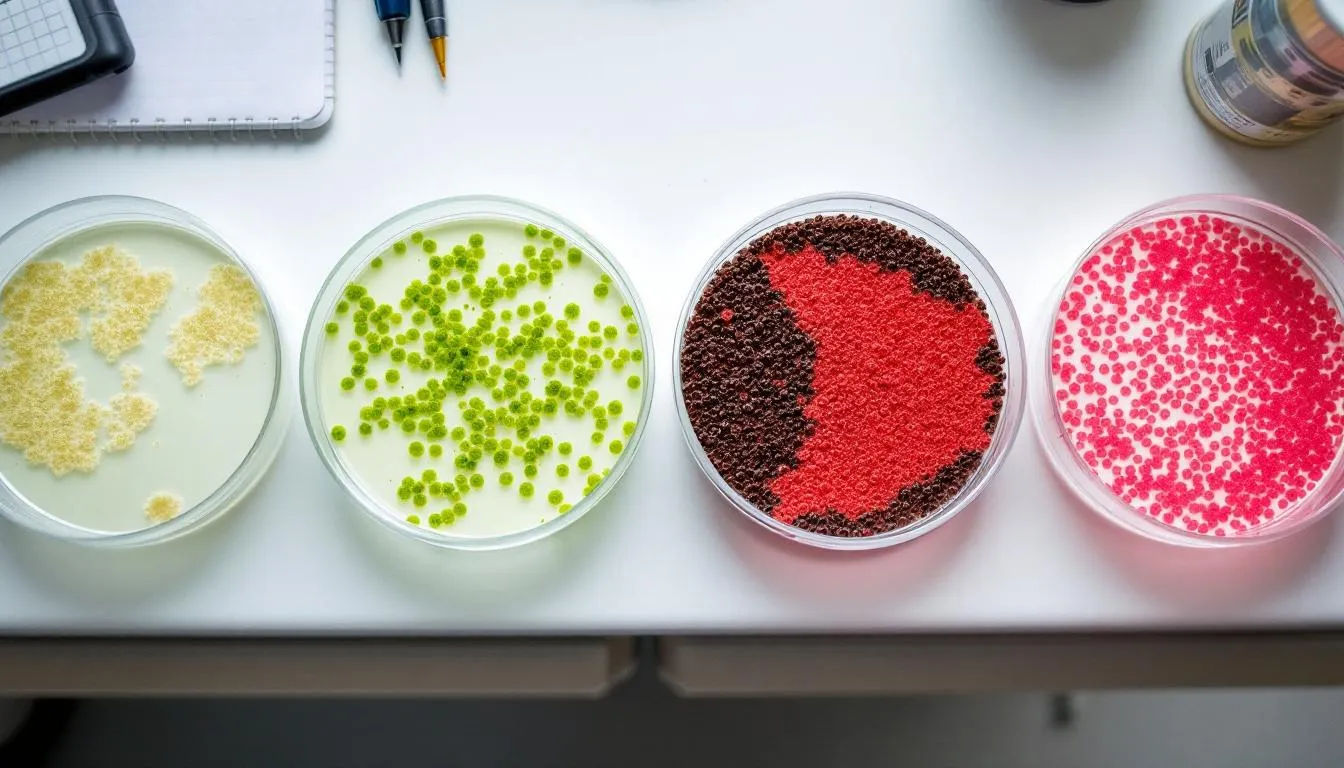
In KNF, IMOs are cultured through stages:
|
Stage |
Name |
Description |
|---|---|---|
|
IMO 1 |
Collection |
Capturing microbes from local environment. |
|
IMO 2 |
Stabilization |
Mixing IMO 1 with equal parts brown sugar to dehydrate and store microbes. |
|
IMO 3 |
Propagation |
Adding IMO 2 to a substrate like rice bran and water to grow more microbes. |
|
IMO 4 |
Soil Inoculation |
Mixing IMO 3 into local soil for application in fields. |
Example ratio for IMO 3:
-
1 part IMO 2
-
100 parts rice bran or wheat bran
-
30–40% moisture level
Applications of IMOs in Natural Farming
1. Soil Fertility and Structure
IMOs help create crumbly soil with good aeration, ideal for growing plants with strong roots.
Benefits:
-
Enhanced nutrient cycling
-
Improved moisture retention
-
Stronger soil aggregation
2. Plant Disease Suppression
Beneficial microbes outcompete harmful fungi and bacteria, reducing outbreaks of soil-borne diseases.
Example: Bacillus subtilis produces natural antibiotics that inhibit fungal pathogens.
3. Composting Acceleration
IMOs speed up decomposition of organic matter, reducing odors and producing nutrient-rich compost.
4. Bioremediation
IMOs can break down pollutants like pesticides and heavy metals in contaminated soils, a process widely used in South Korea.
Case Study: South Korea’s Success with KNF
South Korea has practiced KNF for over 50 years, with impressive results:
-
Reduced chemical fertilizer use by up to 90%.
-
Higher crop yields in rice and vegetables.
-
Improved soil health with increased earthworm populations.
-
Enhanced biodiversity in farming landscapes.
Farmers reported continued results over decades without soil degradation.
Supporting Inputs in KNF
IMOs are often combined with other natural inputs in KNF for balanced nutrition:
|
Input |
Purpose |
|---|---|
|
Fermented Plant Juice (FPJ) |
Supplies plant hormones for growth. |
|
Fish Amino Acid (FAA) |
Provides amino acids and trace nutrients. |
|
Water-Soluble Calcium (WCA) |
Strengthens cell walls and improves fruit quality. |
|
Oriental Herbal Nutrient (OHN) |
Enhances plant immunity. |
Tips for Farmers and Home Gardeners
-
Start small in home gardens before scaling to fields.
-
Use local materials to keep costs low.
-
Always maintain proper moisture content during culture stages.
-
Apply IMOs early morning or late afternoon to avoid UV damage.
Further Reading and Resources
-
Korean Natural Farming: Cho Han Kyu’s Original Resources
-
The Living Soil Handbook
Final Words

The use of Indigenous Microorganisms is more than just a farming technique—it’s a philosophy of working with nature. Whether you’re tending a small home garden or managing large fields, IMOs can help you achieve healthy soil, resilient plants, and sustainable yields—all while protecting the environment.