Introduction to Sustainable Holiday Cooking
-
Create a sustainable holiday season with eco friendly kitchen ideas and zero waste cooking tips
-
Reduce food waste and make a positive impact on the environment during the holidays. We hope these tips inspire you to make sustainable choices that truly matter.
-
Invest in a greener kitchen with an easy swap and creative solutions for a more sustainable cooking style. Take the lead in adopting zero waste cooking practices and encourage others to follow your example.
-
Discover fantastic ways to reduce waste and make your holiday cooking more eco friendly. The holiday season is a great time to start eco-friendly kitchen habits.
-
Start your sustainable journey with simple changes to your kitchen habits and decor
Understanding the Impact of Food Waste
-
Learn about the importance of reducing food waste during the holiday season
-
Understand how food scraps and wasted food contribute to environmental issues
-
Explore ways to reduce food waste and create a more sustainable kitchen
-
Get tips on how to plan meals and shop for food to minimize waste and save money
-
Find out how to compost food scraps and turn them into nutrient-rich soil for your garden, benefiting the earth by reducing landfill waste and supporting healthy ecosystems
Planning for a Zero-Waste Kitchen
-
Start by assessing your kitchen and identifying areas for improvement. Make a note of any habits or spaces that could be improved for better sustainability.
-
Create a plan to reduce waste and make your kitchen more eco friendly. Before starting your zero-waste plan, check for any missing supplies or essentials to ensure a smooth transition.
-
Invest in reusable containers and bags to reduce plastic waste
-
Learn how to meal plan and shop for food to minimize waste and save time
-
Discover the benefits of composting and how to set up a composting system in your kitchen
Eco Friendly Kitchen Essentials
-
Invest in eco friendly kitchen essentials like reusable water bottles and cloth napkins—switching to reusable towels or napkins can be a fun upgrade for your kitchen.
-
Switch to energy-efficient appliances and lighting to reduce your carbon footprint.
-
Use eco friendly cleaning products and natural ingredients to clean your kitchen, and consider using a reusable bottle for mixing and storing your homemade cleaning solutions.
-
Eco-friendly cleaning products are also effective for tackling dirty dishes, helping you manage kitchen messes sustainably.
-
Choose sustainable and locally sourced materials for your kitchen decor and accessories.
-
Find out how to make your own cleaning products and reduce waste in your kitchen.
Strategies for Reducing Waste
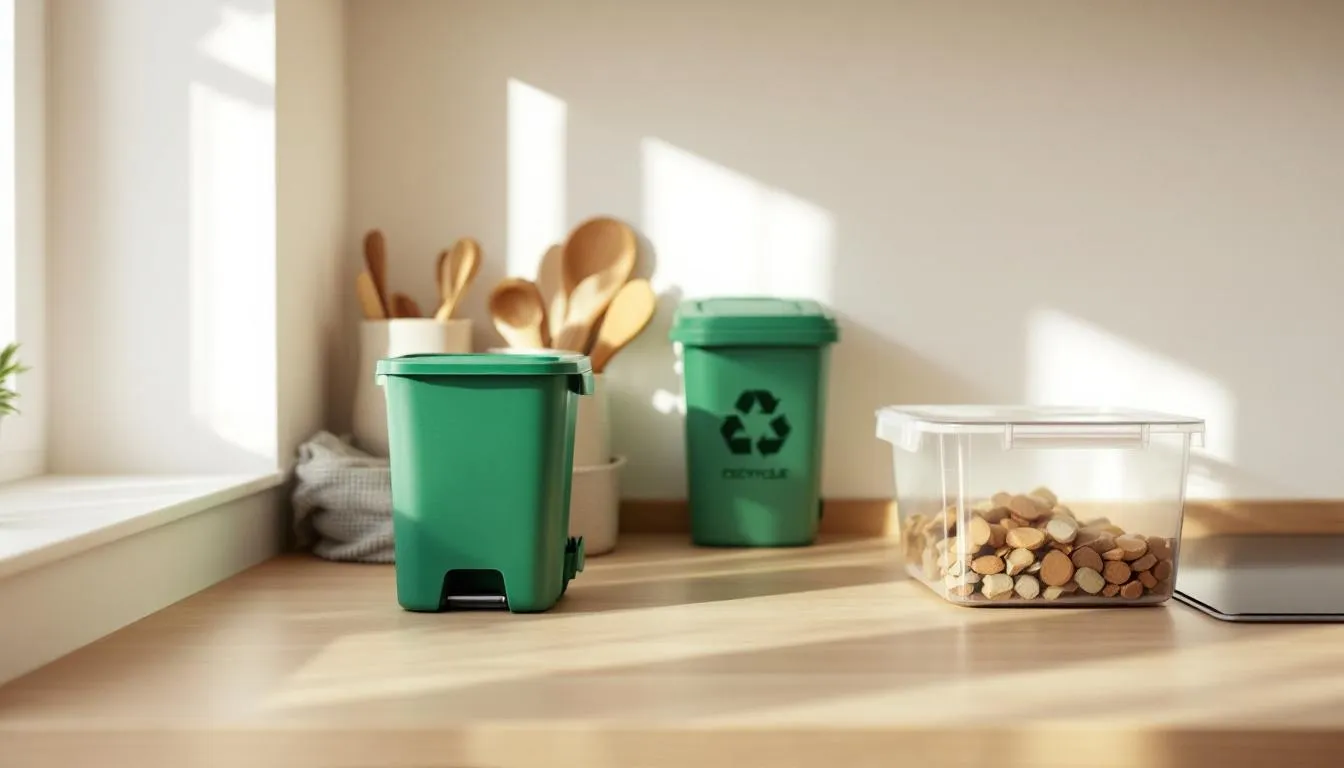
Here’s a practical tip: focus on small changes that can significantly reduce kitchen waste.
-
Implement strategies for reducing waste in your kitchen like composting and recycling, and use a box for storing leftovers or organizing kitchen items.
-
Use reusable containers and bags to reduce plastic waste.
-
Choose products with minimal packaging and buy in bulk to reduce waste and help reduce trash.
-
Learn how to repair and repurpose old kitchen items to reduce waste.
-
Discover ways to reduce food waste and create a more sustainable kitchen.
Energy Efficiency in the Kitchen
-
Learn how to make your kitchen more energy efficient
-
Switch to energy-efficient appliances and lighting to reduce your carbon footprint
-
Use power strips to turn off appliances and reduce standby power consumption
-
Choose eco friendly cooking methods like solar cooking or induction cooking
-
Discover ways to reduce energy consumption and make your kitchen more sustainable
Gardening and Herbs
-
Start a garden and grow your own herbs and vegetables. Focus on planting varieties that thrive in the summer, such as tomatoes, basil, and peppers, to enjoy fresh, seasonal produce and promote sustainable eating habits.
-
Learn how to use herbs and spices to add flavor to your cooking
-
Discover the benefits of gardening and how it can reduce waste and improve your health. Involve kids in gardening activities to teach them about sustainability and encourage eco-friendly habits from a young age.
-
Get tips on how to create a sustainable garden and reduce waste
-
Find out how to use your garden to create a more sustainable kitchen and reduce your carbon footprint
Hosting and Guest Management
-
Learn how to host a sustainable holiday party with eco friendly decor and minimal waste, starting with planning for your holiday gathering to ensure you have the right amount of food and supplies.
-
Get tips on how to manage your guest list and reduce waste. Consider how much time and effort you spend preparing for a sustainable event, from invitations to cleanup routines.
-
Discover ways to reduce food waste and create a more sustainable menu by planning each course thoughtfully, choosing seasonal and local ingredients, and considering how you serve food to minimize leftovers. Encourage your guests to eat mindfully and enjoy each dish.
-
Find out how to use reusable containers and bags to reduce plastic waste, and serve food in portions that help prevent excess.
-
Explore creative ways to decorate your home and reduce waste during the holiday season. After your event, share leftovers with a friend or involve friends in your zero-waste efforts to build a supportive, eco-conscious community.
Food Storage and Leftovers
Proper food storage is a fantastic way to reduce food waste during the holiday season and keep your eco friendly kitchen running smoothly. After big holiday meals, make it a habit to store leftovers in airtight, sustainable containers—think glass or stainless steel instead of plastic. Label and date each container so you can easily plan future meals and avoid letting food go to waste. These reusable containers are perfect for packing lunches, storing snacks, or even serving dishes when guests arrive. By choosing sustainable storage solutions, you not only cut down on single-use plastics but also create a kitchen that’s better for the planet and your family. With a little planning, you can turn leftovers into delicious new meals and keep your holiday season waste-free.
Creating a Sustainable Menu
Planning a sustainable holiday menu is a fantastic way to reduce food waste and celebrate with intention. Start by choosing local and organic ingredients, which support nearby farmers and reduce your carbon footprint. Focus on dishes that use seasonal produce, as these are often fresher, more affordable, and less likely to go to waste. Get creative with your menu—plan meals that can easily incorporate leftovers, like soups, casseroles, or grain bowls. This not only helps reduce food waste but also adds variety to your holiday meals. By thoughtfully planning your menu, you can create a celebration that’s delicious, sustainable, and full of inspiration for your guests.
Managing Kitchen Resources
Effectively managing your kitchen resources is key to creating a sustainable, eco friendly kitchen during the holidays and beyond. Start by taking stock of your dishes, utensils, and appliances to avoid unnecessary purchases and impulse buying. Invest in energy-efficient appliances and reusable items like cloth napkins and stainless steel water bottles to cut down on waste. Composting food scraps is another fantastic way to reduce organic waste and create nutrient-rich soil for your garden. By organizing your kitchen and making mindful choices, you can minimize waste, make the most of your resources, and create a kitchen that’s both efficient and environmentally friendly.
Setting Up a Composting System
-
Learn how to set up a composting system in your kitchen
-
Get tips on how to compost food scraps and turn them into nutrient-rich soil for your garden
-
Discover ways to use compost to improve your soil and reduce waste
-
Find out how to create a sustainable garden and reduce waste
-
Explore creative ways to use compost to improve your cooking and reduce waste
Maintaining a Zero-Waste Kitchen
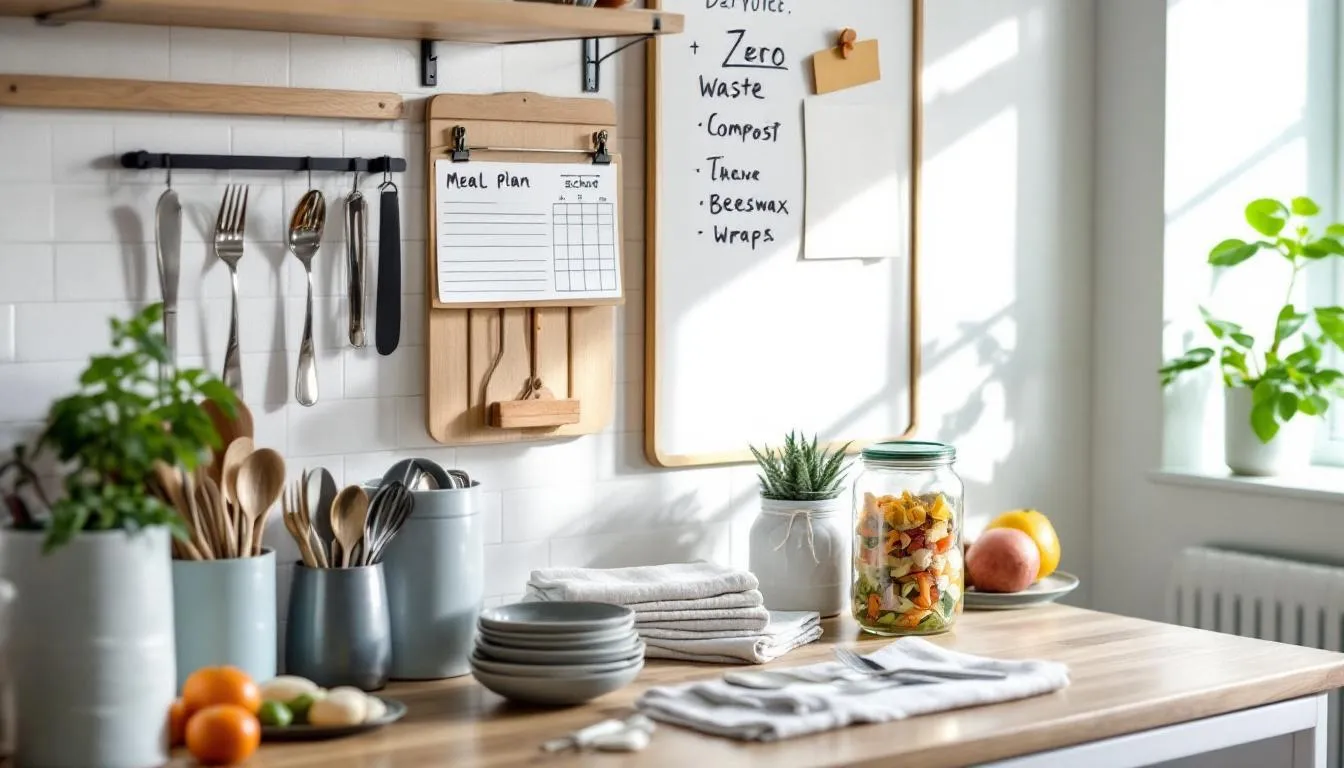
Maintaining a zero-waste kitchen is all about making small, sustainable changes that add up over time. Swap out single-use items like paper napkins, plastic wrap, and disposable utensils for reusable alternatives such as cloth napkins, beeswax wraps, and stainless steel cutlery. Plan your meals to use up leftovers and compost food scraps to keep waste out of the landfill and enrich your garden. By creating new habits—like shopping with a list, storing food properly, and choosing eco friendly kitchen products—you can significantly reduce your waste and make a positive impact on the environment. Every step you take brings you closer to a truly sustainable kitchen, making the holiday season greener and more joyful for everyone.